

Movement science, cultural travel, and the real stories behind both.
I write about what 40 years of teaching bodies and one decade of leading international retreats have actually taught me, and I skip the fluff.
Whether you're here because your back hurts, because Morocco is calling, or because someone in class told you to check this out — welcome.
Small shifts make a big difference.

Your Body Is Your Best Travel Companion (Here’s How to Pack It Well)
Before you go anywhere — a two-week adventure abroad or a Saturday hike along the Patapsco — your body is already packed. It’s the one piece of luggage you can’t leave behind. And how well you’ve prepared it determines whether you’re surviving the experience or actually enjoying it.
I’ve been teaching movement for 40 years, and what I’ve noticed is that most people don’t think about physical preparation until something hurts. The lower back ache after a long flight. The knee that complains on the second mile of a trail. The hip that seizes up after a bike ride. These aren’t random failures — they’re signals that your body needed more support than it had.

Culture Isn’t a Photo Op: What Genuine Connection Actually Looks Like
There’s a tradition in Arab nightclubs that holds both strength and softness, that is absolutely beautiful. During the mawwal — the improvised vocal section before a song really kicks in — the singer calls out all the different Arab countries represented in the audience. People often cheered loudest when their own country is called, but cheered for every one.
What happens next is the part that always moved me: when a country was going through particular hardship — usually due to conflict — everyone would cheer louder. Not just polite applause. Extended whistles, zaghareets and applause. Real solidarity. Real love. For a moment, the whole room says: we see you, we’re with you. People’s hearts are held with both strength and softness.

What Luxury Wellness Is Getting Right — And Where Most of It Stops
The technology is sophisticated. The service is exceptional. The natural world immersion is genuinely exciting. So why does the feeling fade so soon after guests return to their lives?
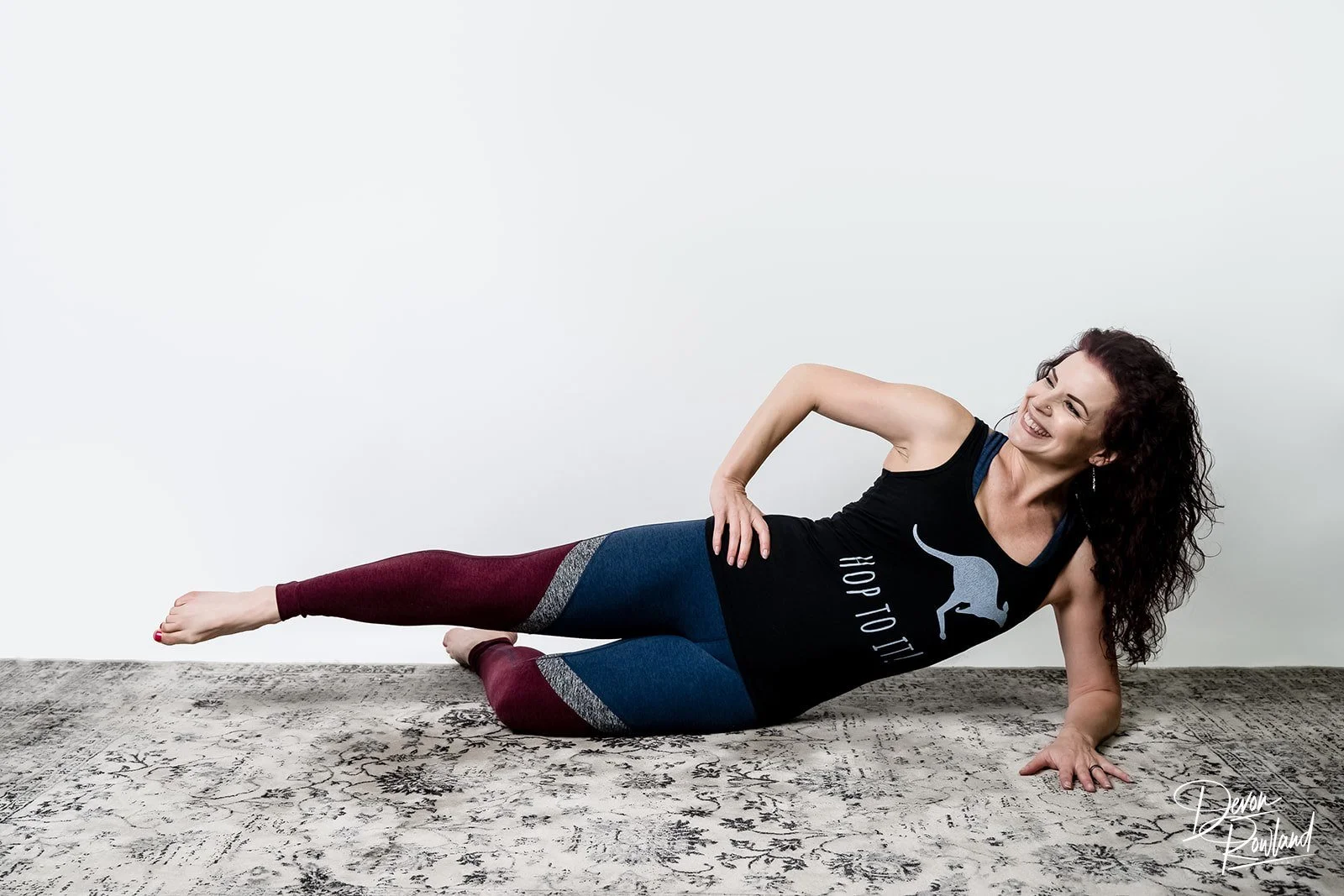
The Muscle You Didn’t Know You Needed: Why Gluteus Medius Changes Everything
If I asked you to name the muscles in your glutes, most people would say “the glutes” and leave it at that. Maybe “glute max” if they’ve been around fitness for a while. But your glute max has a smaller, lesser-known neighbor — your gluteus medius — and it plays a critical role in how you move, balance, and stabilize through almost everything you do in a day.
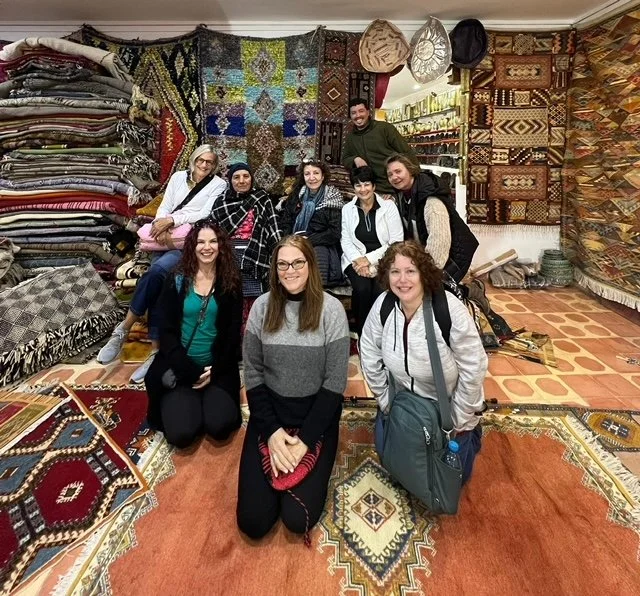
The People Behind Your Trip: Where Your Money Actually Goes
Shopping in Morocco is not what you think it is. You don’t walk in, browse a rack, and tap your credit card at a register. No, no, no. Shopping in Morocco is an education and a sales pitch rolled into one — a fascinating, sometimes funny, sometimes frustrating experience that my guests and I just call “the show.” The rug show. The medicine show. The silver show. It’s always entertaining.
The Strength Training Rules Just Changed. What a Movement Specialist Makes of It.
On March 17th, the American College of Sports Medicine published its first major update to resistance training guidelines since 2009. Seventeen years. That’s a long time in exercise science — roughly the same span that separated the first smartphone from the one in your pocket right now.
Most people will never read the Position Stand itself. It will filter down through doctors’ recommendations, magazine articles, social media posts, and word of mouth — often losing nuance at each step. So it’s worth taking a moment with the actual findings, because several of them challenge assumptions that have been repeated so confidently for so long that most people think they’re settled science.

Imprinting vs. Neutral Spine: What We’re Actually Doing in Class (And Why)
Every week, someone in class asks me some version of this question: “Should my lower back be flat on the mat or not?”
It’s a great question — and the answer isn’t as simple as most Pilates instructors make it sound. Because the real answer is: it depends on what we’re trying to accomplish and where you are in your practice.
I’ve been teaching movement since 1986, and for years I watched the Pilates world treat this like an either/or debate. Imprint your spine! No, stay neutral! The truth, as it usually does, lives somewhere more nuanced — and understanding it will change how you experience every supine exercise we do together.
What Responsible Travel Actually Means (And Why It’s More Than Carbon Imprint)
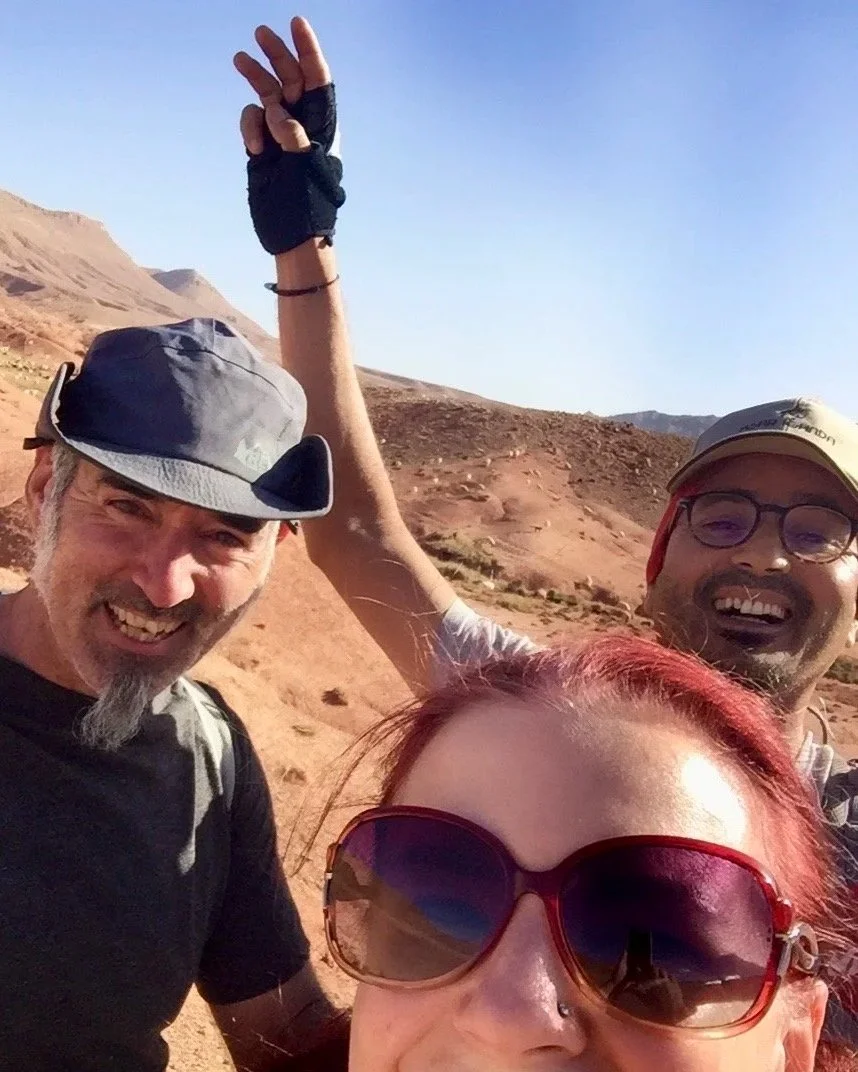
We were sitting on a hillside in the Atlas Mountains, my husband and I, our Amazigh guide, Omar, plus a cook (also Omar), and two muleteers — sharing a meal after a long day of hiking. The conversation had turned to weddings, and our guide was describing how Amazigh weddings in his region are three-day festivals. Entire surrounding villages come. The men do the cooking and serve the feasts — enormous spreads for enormous crowds.
I asked why the men cooked for the wedding when, on a daily basis at home, it’s usually the women cooking in Morocco.
His answer floored me.
What Fascia Taught Us About Dismissing What We Don’t Understand
In the 1980s, fascia was called “inert tissue.” Filler. Surgeons cut through it to get to the structures that mattered. Anatomy professors pulled it off cadavers and threw it away.
A few decades later, we discovered it has more sensory nerve endings than muscle. It’s critical for proprioception, pain signaling, and structural integrity. Some researchers still deny it.
I’ve been thinking about what else we might be throwing away right now.
Mat Pilates vs. Reformer Pilates: What Joseph Pilates Actually Intended (And What Your Body Needs Now)
During World War I, a German-born fitness trainer named Joseph Pilates found himself interned in a camp on the Isle of Man. His fellow internees were bedridden, deconditioned, and losing hope. He didn’t have a studio full of gleaming equipment. He had hospital beds.
So he took the beds apart.
Why Your Back Hurts (And Why Crunches Won't Fix It)
Fifteen years into my dance career, I was sitting in an orthopedic surgeon’s office listening to him tell me—with the casual certainty doctors sometimes have—that he’d see me back for surgery after I tried physical therapy. My back injury had stopped me cold, and according to him, the knife was pretty much inevitable.
Responsible Travel Tips That Actually Matter (From Someone Who’s Been Doing This a While)
In October 2023, my Morocco retreat group was set to arrive less than two weeks after a devastating earthquake. Friends and family were worried. A few people asked if we should cancel.
Canceling never crossed my mind—but changing our approach did.
The first thing I did was reach out to my friends in Morocco—people I’ve known for years through decades of performing and from traveling there—and ask the only question that mattered: How are you? How are your families?
How Long Does It Take To Form a New Habit? New Year’s Resolutions and Beyond
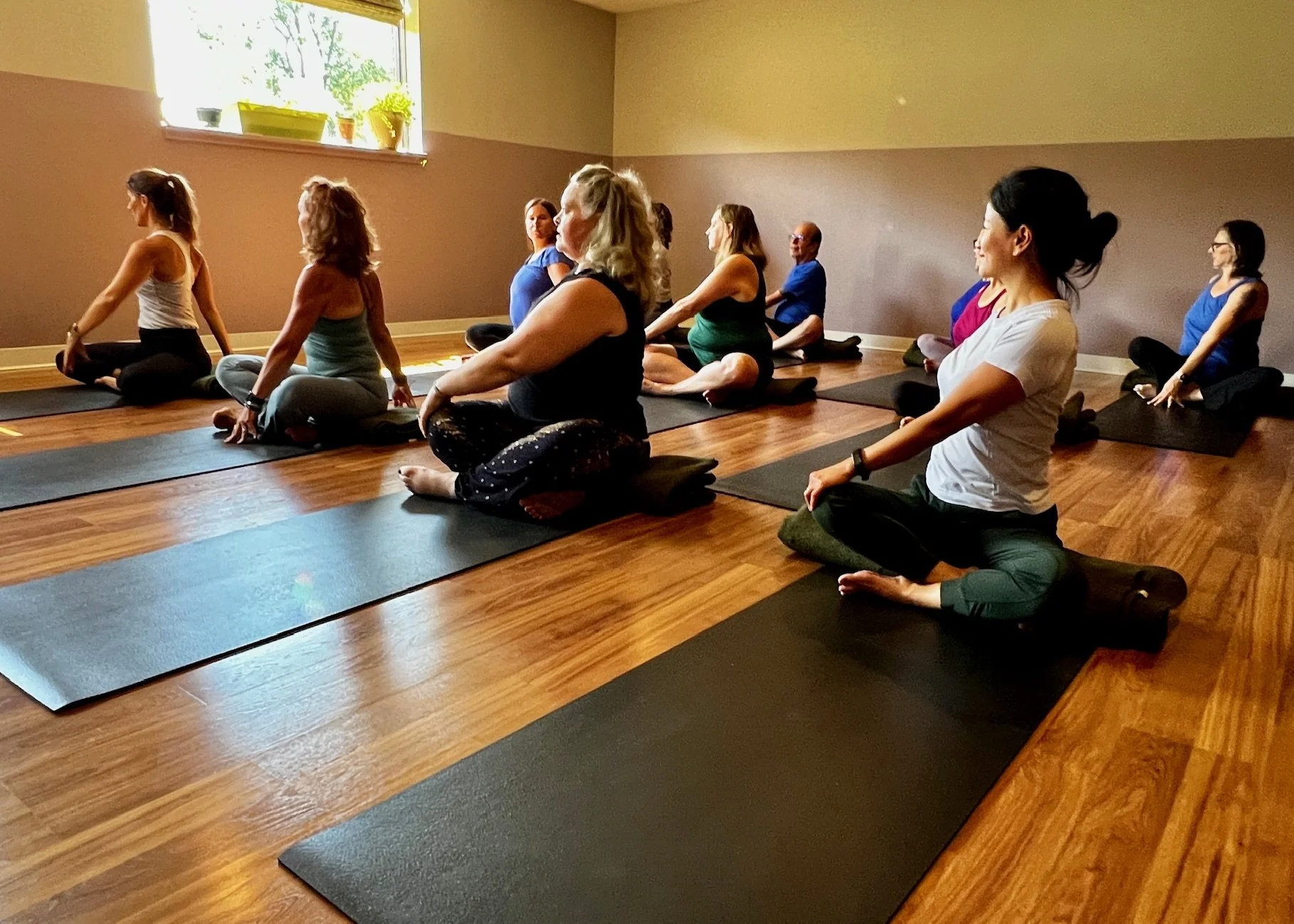
New Year's resolutions: about 80% of Americans make them, but only about 8% actually achieve them. That's not because we lack willpower or commitment—it's because we're setting ourselves up for failure from the start.
After 40 years of teaching movement and working as a behavioral change specialist, I've seen this pattern play out hundreds of times.
The Gift of Being a Beginner
Here's something I notice almost every week in class: a student tries a movement, I offer a gentle tip to help them refine it, and they immediately apologize. "Sorry!" As if learning something new were a failure.
It breaks my heart a little, every time.
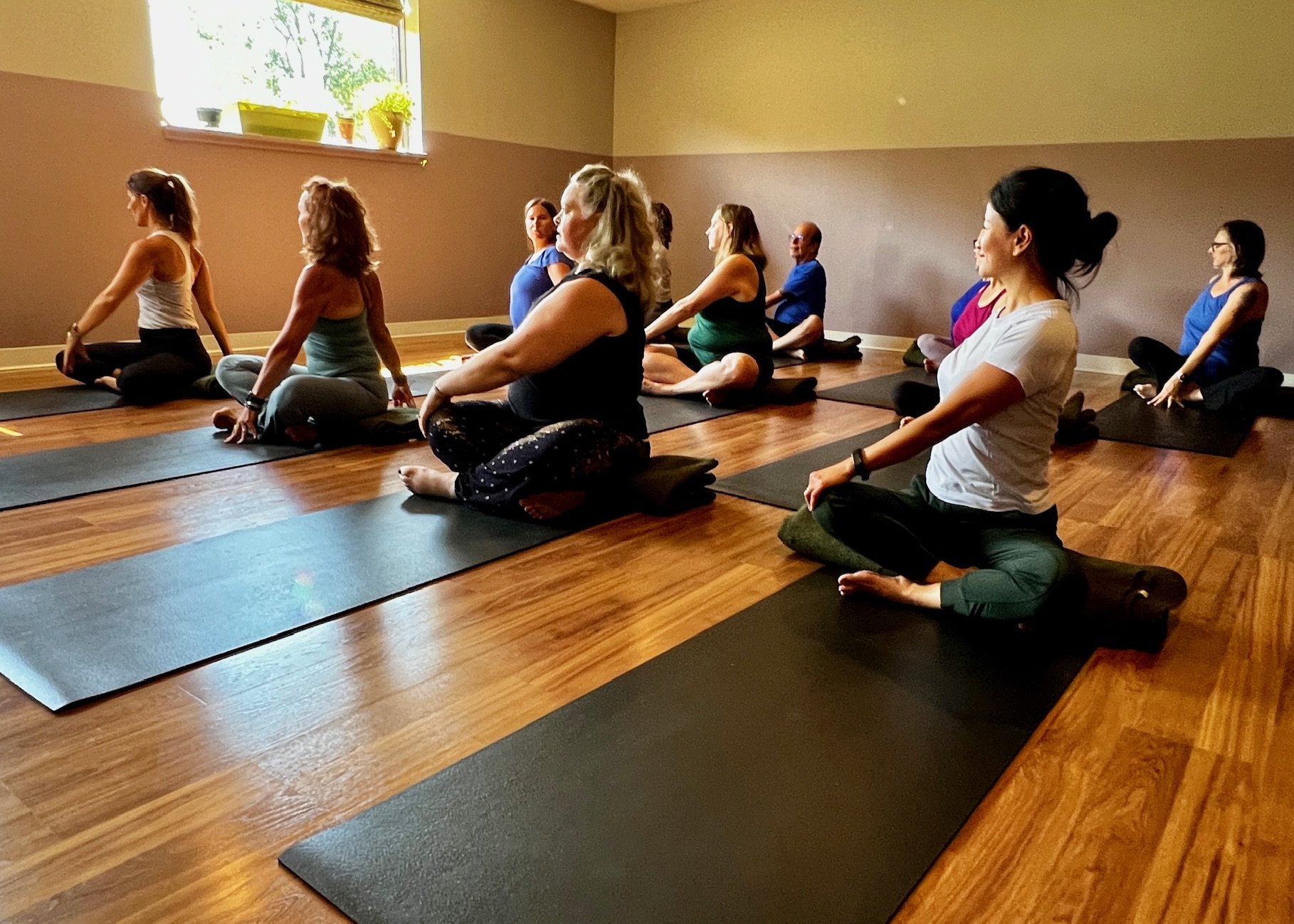
New to Pilates or Mobility Stretch? What to Expect at Your First Class in Columbia, MD
It’s January, and for many of us, that means it’s time for a new fitness adventure. Whether you're a seasoned yogi or a total newbie, it feels better when we know what to expect. Let's dive into everything you need to know to thoroughly enjoy your first class!
There's No Rush: How Tempo Shapes Your Pilates Practice
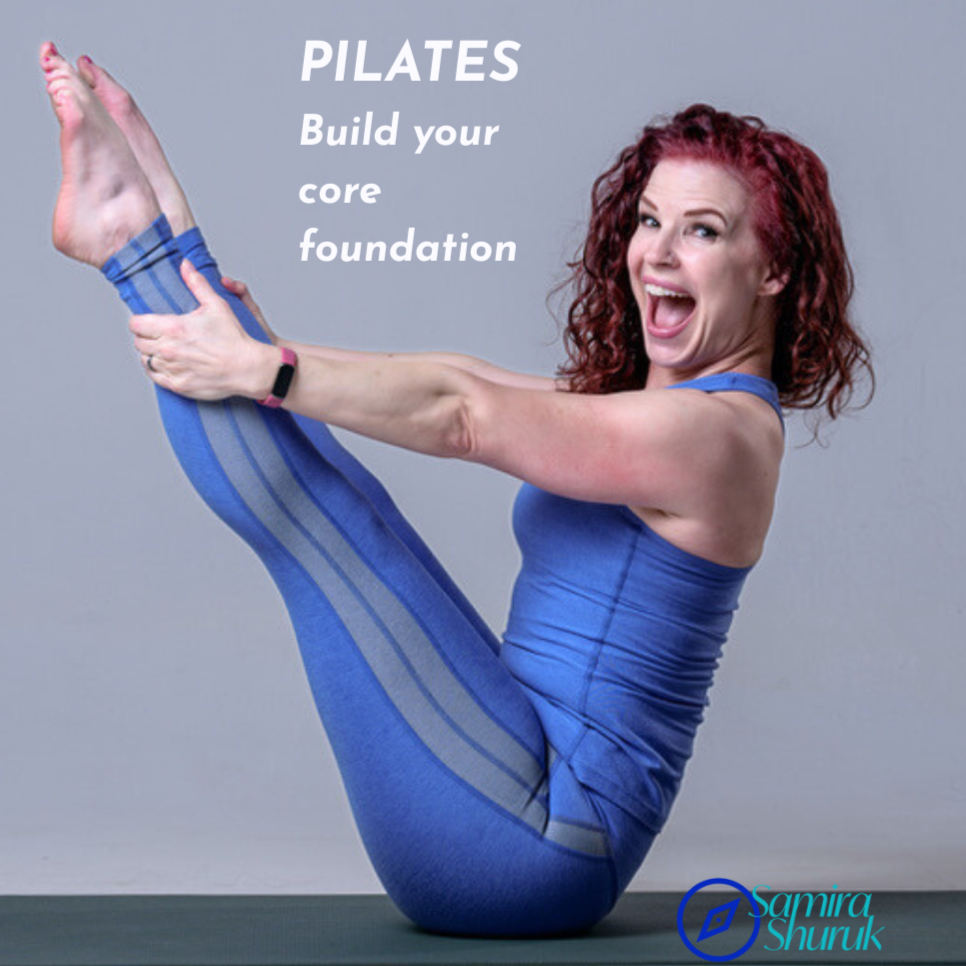
When people think of Pilates, they often picture slow, controlled movements. But here's something that might surprise you: in its original form, Pilates was fast, dynamic, and built for dancers, boxers and other athletes.

Why "All or Nothing" Thinking Sabotages Your Wellness Goals
The path to habit change is not a beautifully lit straight shot, but it’s likely you are holding yourself back with this one self-sabotaging belief…

The Mighty Multifidus: Your Back's Unsung Hero
Are you curious about the secret to a healthy spine and better posture? Look no further than the multifidus muscles! These deep back stabilizers play a crucial role in your body’s function and therefore in both my Pilates and mobility stretch classes. Let's explore why these muscles are so important and how you can strengthen them.

The Foundation of Change: How Keystone Habits Transform Everything
What if I told you that focusing on just four types of habits could transform your entire life? Not dozens of new routines, not a complete lifestyle overhaul—just four foundation habits that act as catalysts for everything else.
These are called Keystone Habits…
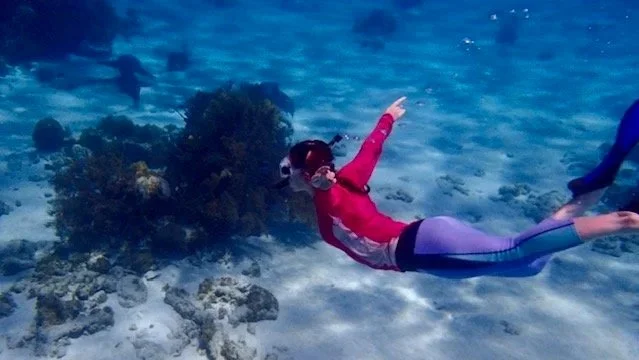
Move It to Improve It, Think It to Link It: The Amazing Science of Neuroplasticity
Have you ever heard the phrase "use it or lose it"? Well, it's not just a catchy phrase – it's a fundamental principle of how our amazing bodies work! Whether we're talking about strength, flexibility, balance, or even our brain's ability to adapt (AKA neuroplasticity), our bodies are constantly responding to the demands we place on them.