Why Your Back Hurts (And Why Crunches Won't Fix It)
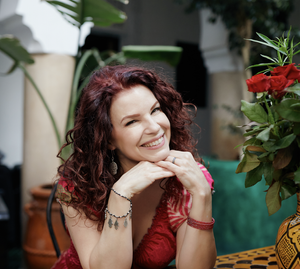
Fifteen years into my dance career, I was sitting in an orthopedic surgeon’s office listening to him tell me—with the casual certainty doctors sometimes have—that he’d see me back for surgery after I tried physical therapy. My back injury had stopped me cold, and according to him, the knife was pretty much inevitable.
I remember staring at the sterile walls thinking: I dance and teach people how to move their bodies for a living, and I can hardly move.
Spoiler: I never had that surgery. But the process of healing my own back—becoming my own case study—changed everything about how I teach. Because what I realized is that most back pain isn’t really about your back. And the things most people do to “fix” it? Many of them are making it worse.
Let’s Start With Crunches
I know. Everyone’s been told that a strong core means doing crunches or sit-ups. It’s one of those fitness beliefs that just won’t die. But here’s the problem: traditional crunches load your lumbar spine in repeated forward flexion—the exact movement pattern that contributes to disc problems. You’re essentially rehearsing the position that’s already causing pain.
When I adapted my Pilates practice after my injury, one of the first things I changed was removing much of the lumbar forward flexion from my classes, and I removed almost ALL of it from my beginner level classes. The result? My students—many of whom sit at desks all day—started getting even stronger, safer results than ever before. Not because they were working harder, but because they finally stopped reinforcing the movement pattern that was hurting them, and learned how to strengthen their deeper muscles.
So What’s Actually Going On?
After nearly 40 years of teaching—with about 90 students a week, many of them NIH and CDC scientists, sports medicine professors, physical therapists, and people well into their 80s—I’ve seen the same handful of patterns show up again and again. Back pain rarely has a single cause. It’s usually a pile-up.
The Desk Chair Problem
Hours of sitting shortens your hip flexors, which pull your pelvis forward into what we call anterior tilt. That increases compression in your lower back. Meanwhile, your glutes—the muscles that should be supporting your hips and spine—get lazy. Your lower back picks up the slack, doing jobs it was never designed for. Add a forward head from staring at screens, and you’ve got a compensatory chain that runs from your neck all the way down.
Too Much Forward Flexion
This goes beyond crunches. Think about your day: leaning over a laptop, sitting like a shrimp to look at your phone, slouching on the couch, bending to pick up groceries or kids. Modern life is overwhelmingly forward. Over time, that constant flexion puts asymmetric pressure on your spinal discs. This is one of the most common contributors to disc bulging—not some dramatic injury, but the slow, repetitive accumulation of hours spent curled forward.
Weakness Where It Counts
When people say “core,” they usually mean the muscles they can see—the rectus abdominis, the “six-pack” muscle. But real spinal stability comes from the deep core: the transversus abdominis, multifidus, pelvic floor, and diaphragm. These muscles form a cylinder around your spine, and when they’re weak or poorly coordinated, no amount of surface-level crunches will protect your back.
And here’s a sneaky one: if you’re a chronic stomach-sucker—always pulling your belly in to look slimmer—you’re creating rigidity, not stability. True core engagement is dynamic. It responds. It breathes.
The Weekend Warrior Effect
I see this a lot: someone sits at a desk all week, then goes hard on the weekend—golf, running, hiking, yard work—without any conditioning in between. The body isn’t prepared for the sudden demand, and the lower back is usually the first thing to protest. Adventure and activity are wonderful, but they need a foundation of consistent, functional movement underneath them.
The Invisible Culprits
A few things that don’t get enough attention: shallow breathing patterns—when you breathe into your chest instead of your diaphragm, you’re robbing your core of its natural stability system. Fascial restrictions—the connective tissue that wraps everything in your body loses hydration and elasticity when you don’t move enough, creating pain patterns that often don’t even show up on imaging. And stress—especially chronic stress—keeps muscles in a guarded state, particularly through the psoas and deep back muscles. Your body is literally bracing for impact, all day long.
What Actually Helps
Back pain relief isn’t about finding the one magic exercise. It’s about understanding the pattern that’s driving your pain and addressing the whole picture: strengthening the deep core, restoring mobility in the hips and thoracic spine, using extra lumbar support, learning to breathe well, and building enough consistent movement into your week that your body can handle what you ask of it—whether that’s a desk job or gorilla trekking in Uganda (true story—one of my students credited his classes with getting him through the jungle).
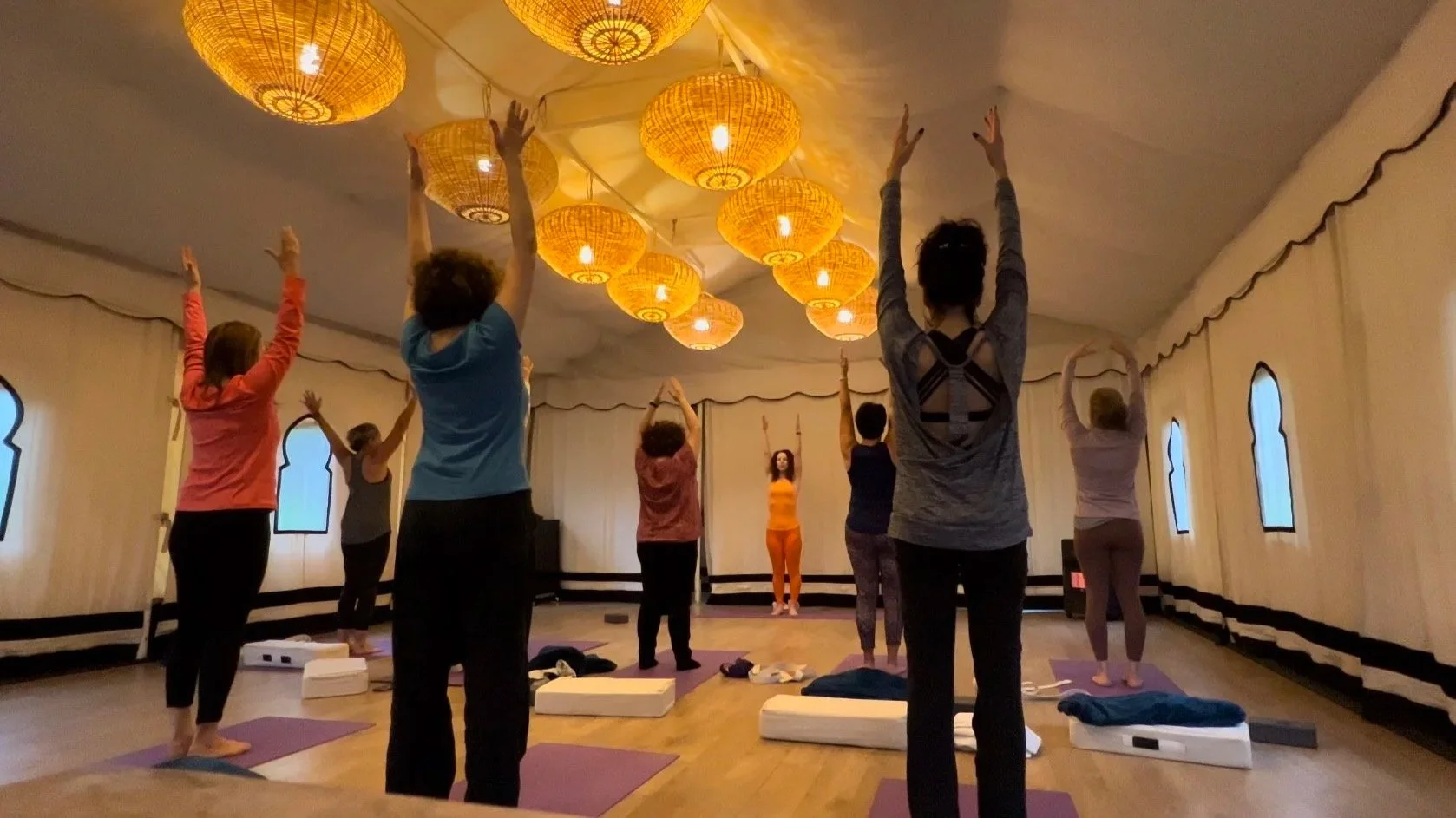
This is exactly what I focus on in my Pilates and mobility stretch classes. Not crunches. Not punishment. Smart, evidence-based movement that meets you where you are and builds from there.
Try It For Yourself
If any of this sounds familiar—the desk pain, the weekend flare-ups, the crunches that never seem to help—come try a class at the Yoga Center of Columbia. We have a New Student Special and I teach ten Pilates and mobility stretch classes weekly, and I promise we won’t do classic crunches. What we will do is help your body remember what it was built for.
With sunshine and stretches,
Samira
P.S. If you’re dealing with back pain and not sure where to start, I get it. That was me, sitting in that surgeon’s office. The hardest part isn’t the exercise—it’s getting to class. But once you’re there, you’re already doing the important part. Reach out with questions.