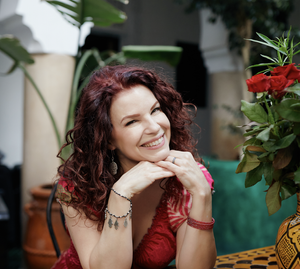
What Responsible Travel Actually Means (And Why It’s More Than Carbon Imprint)
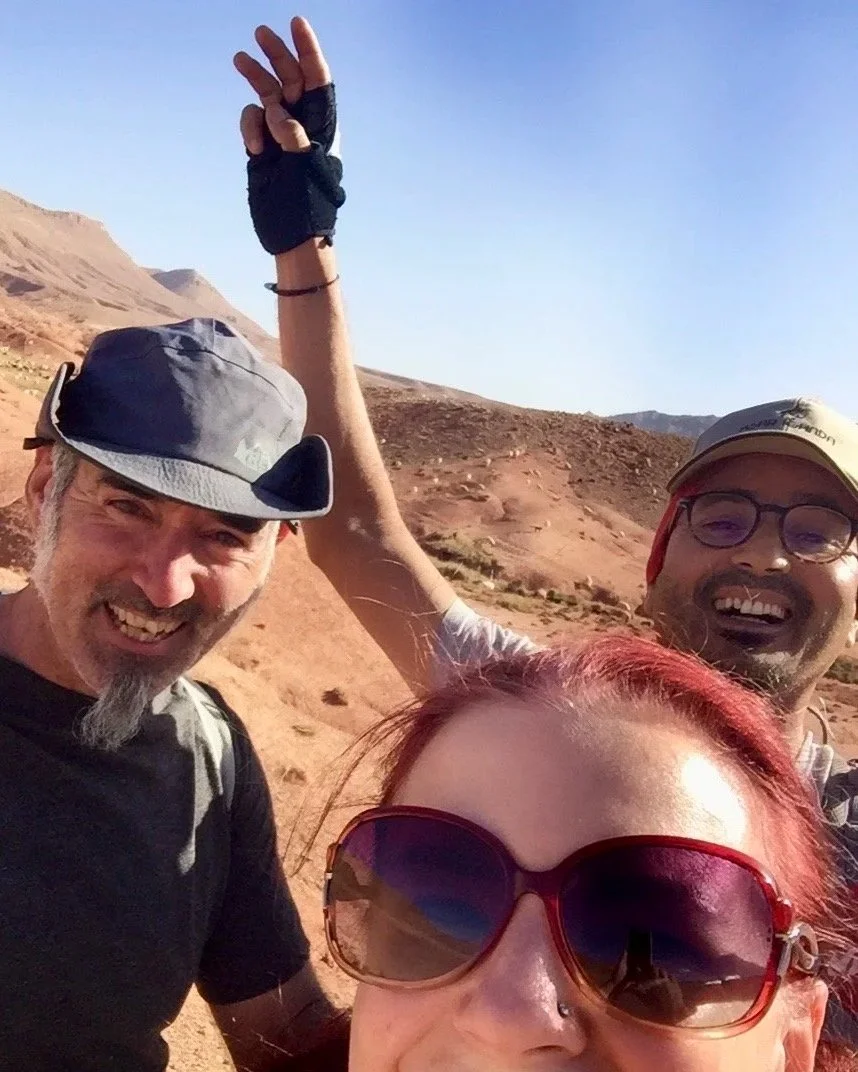
We were sitting on a hillside in the Atlas Mountains, my husband and I, our Amazigh guide, Omar, plus a cook (also Omar), and two muleteers — sharing a meal after a long day of hiking. The conversation had turned to weddings, and our guide was describing how Amazigh weddings in his region are three-day festivals. Entire surrounding villages come. The men do the cooking and serve the feasts — enormous spreads for enormous crowds.
I asked why the men cooked for the wedding when, on a daily basis at home, it’s usually the women cooking in Morocco.
His answer floored me.
“Because the women were doing more important things.”
Just like that. No fanfare, no agenda. Said with the same matter-of-fact tone you’d use to explain why you take your shoes off at the door. For him, it wasn’t a statement about gender equality — it was simply how things are. The women had more important roles in the ceremony, so the men handled the cooking. Obviously.
I’m Gen X. I grew up on sitcoms that were basically running gender hate jokes which I was always disturbed by. And that conditioning runs deep in our society. I had never heard a man say something so simple, so beautiful, and so resonant. It reframed something I didn’t even know needed reframing.
That moment, sitting on a mountainside with beautiful people I’d hired as a guide and crew, and who were teaching me something no guidebook ever could, is what responsible travel actually looks like. Not a checklist. Not a carbon offset receipt. A genuine exchange where everyone walks away richer than they started.
Why is responsible travel more than carbon?
Somewhere along the way, “sustainable travel” got reduced to one thing: climate impact. And climate matters—I'm not dismissing it. But when that’s the only lens, we miss so much of what makes travel either harmful or healing.
Responsible travel — the kind I believe in and build my retreats around — is about how we treat people. How we engage with cultures. How we interact with animals. Where our money actually goes. And yes, how we tread on the land. It’s all of it, woven together, and none of it works if we only focus on one thread.
I’ve been leading retreats internationally since 2017, and I’ve been traveling to and performing in MENAHT communities for over two decades before that. What I’ve learned is that the most important question isn’t limited to "How do I reduce my footprint?” It’s also "Am I respecting the people and places I’m visiting—on their terms, not mine?”
How does responsible travel affect local people?
The guide who shared that story with us on the mountainside also guides for National Geographic Journeys. He’s brilliant, deeply knowledgeable, and proud of his Amazigh heritage. When I hire him, I’m not just getting a service and gaining a sweet friend. I’m helping to support a family, a community, and the preservation of traditions that mass tourism often steamrolls.
This is what “people first” means in practice. It means hiring locally and paying fairly — not negotiating someone’s livelihood down to save a few dollars. It means working with women’s cooperatives where your purchases directly fund education and independence. It means understanding that the person serving your meal or guiding your hike has a full, complex life, and that your interaction with them should reflect that.
And here’s something I want to be clear about: responsible travel is not about “saving” anyone. The communities I work with aren’t waiting for tourists to rescue them or preserve their culture. They’re thriving, creative, resilient people who are generous enough to share parts of their lives with us. The question isn’t "How can I help these people?” It’s "What do they want for themselves, and how can my visit support that?” Self-determination and dignity are the starting points. Everything else follows from there.
It also means showing up when things go wrong. When the 2023 earthquake devastated parts of Morocco, these weren’t abstract headlines for me. These were people I knew, communities I’ve shared meals with, and families who’d welcomed my guests into their homes. Responsible travel means the relationship doesn’t end when the trip does.
What does it mean to treat a culture with respect?
There’s a version of cultural tourism that treats local traditions like a theme park. You watch a “traditional dance,” buy a souvenir, take a photo, and leave. Everyone smiles, nobody connects, and the culture becomes a performance staged for outsiders.
That’s not what I do. And it’s not what my guests experience.
When my retreat guests learn crafts from artisans in Marrakech, they’re sitting in actual workshops, using actual tools, learning from people who’ve practiced these traditions for decades, sometimes generations. The artisan isn’t performing for them. The artisan is sharing with them. There’s a difference, and you feel it immediately.
Genuine cultural engagement requires two things most tourists aren’t prepared for: humility and time. You have to be willing to not know things. You have to slow down enough to listen rather than photograph. And you have to approach another culture with the understanding that their way of doing things isn’t exotic or quaint; it’s simply how they live, and it’s worthy of respect on its own terms.
That’s why my retreats are small: twelve to sixteen people. Because genuine connection doesn’t happen on a bus with forty strangers.
How do you tell an ethical animal experience from an exploitative one?
Not all animal experiences are created equal, and this is an area where travelers need to be more discerning than most realize.
In Kenya, I work with organizations that are doing it right. The Sheldrick Wildlife Trust rescues and rehabilitates orphaned elephants with the goal of releasing them back into the wild — not keeping them for tourist photo ops. The Giraffe Centre in Nairobi focuses on education and breeding programs for endangered Rothschild’s giraffes. Different approaches, both rooted in genuine conservation. The animals’ welfare comes first. The visitor experience is a byproduct of that mission, not the point of it.
But responsible animal care isn’t just about large, endangered wildlife. In Roatan, Bay Islands, our retreat eco-resort supports ROAR (Roatan Operation Animal Rescue), a local organization that raises money to vaccinate, treat, and spay and neuter street dogs. They’ve even adopted one named Jack. Travelers can visit ROAR, entry fees support the work, and you can donate or simply help raise awareness. It’s not glamorous. There are no elephants. But it’s real, it’s needed, and it’s the kind of quiet, consistent work that actually changes things.
The question I always ask: does this experience exist for the animal’s benefit or for the tourist’s entertainment? If the answer is entertainment, we keep walking.
Why these pieces belong together
There’s more to responsible travel than people, culture, and animals — there’s the economic impact of where your money goes, the environmental choices you make as a traveler, and the systems that either support or exploit the places we visit. I’ll be writing about all of it in this series.
But here’s what I want you to take away from this first post: responsible travel isn’t a sacrifice. It’s not the version where you give up comfort or fun for the sake of being “good.” It’s actually the opposite. When you travel with care — when you slow down, connect genuinely, and make choices that respect the places and people you’re visiting. You get a richer, deeper, more memorable experience than any large bus tour, or international resort could deliver.
That hillside meal in the Atlas Mountains? I’ve stayed in beautiful riads and eaten at palace dinners. But that conversation with our guide: his quiet pride, the way he talked about his community — those the moments I carry with me.
That’s what travel with care gives you. And it’s what I try to build into every retreat I lead.
Warmly,
Samira
P.S. If responsible travel resonates with you, I’d love to hear what it means in your own experience. Drop me a note.
More in this series: Culture Isn’t a Photo Op looks at what genuine cultural connection actually requires, and The People Behind Your Trip follows where your money actually goes when you shop abroad.