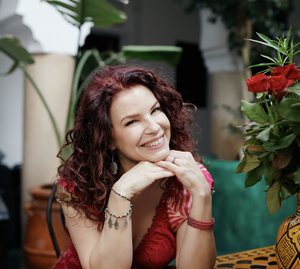
A keystone habit is one small change that has the potential to set off a chain of other changes. You start with a single habit, and it quietly makes the next good choice easier, then the one after that. This February I'm spending a week in Roatan helping a small group find their own keystone habit, from a row of overwater bungalows on the edge of the second-largest barrier reef in the world.
What is a keystone habit?
The term comes from Charles Duhigg's book The Power of Habit, which I love. He describes keystone habits as the small, often unremarkable habits that open the way for much bigger change. One woman in the book quit smoking, and that one change gave her the confidence to lose weight, sleep better, and start planning her future. At the aluminum company Alcoa, a new CEO named Paul O'Neill focused the entire company on a single thing, worker safety, and the way people worked together changed along with it.
Keystone habits are usually habits that can create physiological, neurological or emotional changes in your life, and this is why they can act as a domino for a cascade of other lifestyle and changes.
That's what makes a keystone habit so exciting. You don't have to overhaul your whole life on January 1. You find the one habit that can later tip the others over, and you build that one well and with knowledge and support.
When I retired from dance performance after 25 years I had to find a replacement for myself for exercise, dopamine regulation and more. I already teach ten classes a week, so crafting a workout for myself felt like EXTRA-cise; just more work. Plus, like many of us, I excel at the skill of procrastination. Enter the science of habit building. I applied all the principals, and continue to. My student Tim likens it to being similar to a dog having to turn around three times before finding just the right spot. With habits, it’s a continual adjusting and readjusting, but applying the same principals we learn in my Joyful Shift retreats and habit workshops.
Why practice it in Roatan?
Stepping out of your everyday surroundings makes it easier to try something new. We stay in overwater bungalows, which had been a dream of mine for years. You fall asleep to the sound of water moving under the floor, and it is so soothing. At night the stars are incredibly clear.
Blue space science also plays into the decision. When we are near bodies of water our cortisol and blood pressure lower, and our parasympathetic nervous system is activated. The gentle, repetitive sounds of water allow the brain to center and rest from cognitive fatigue.
Roatan sits on the Mesoamerican Barrier Reef, the same reef that runs along Belize. It stretches about 700 miles from Mexico down to the Bay Islands of Honduras, and it's the largest barrier reef in the Western Hemisphere. The snorkeling is amazing, and so is the diving if you're so inclined.
What happens during the week?
Each day we work on keystone habits together, and then we play. On past retreats, guests have had emotional epiphanies about the choices they can make once they're home. The group conversations were so supportive. People came up with fun, creative ideas to help each other, and some of the best ones came from the person in the next chair.
When it rained, so we stayed inside and played fishbowl, which was hilarious. We had an impromptu Latin dance class, and a belly dance class. Some of my favorite retreat memories come from the days that didn't go to plan.
When is the Roatan retreat?
The Joyful Shift Retreat runs February 20 to 26, 2027, on the quiet east end of Roatan. It's all-inclusive and kept to a small group, so there's room for everyone's voice in the conversation.
Frequently asked questions
Do I need to know how to snorkel or dive?
No. Snorkeling is easy to pick up, and diving is there for anyone who's certified or wants to try. You can also spend the afternoon on a paddle board or in a hammock and watch the water.
On one of the first days I will teach a Snorkeling 101 class to anyone who wants. And we have a dive master on site for anyone who wants to opt-in for the Discovery Dive (additional fee applies).
Can I come on my own?
Yes, of course. Solo travelers are always welcome in my small group travel. If you'd like to share a bungalow, you're welcome to bring a friend or find a roommate. Otherwise you'll book single occupancy and have the space to yourself.
Do I have to be fit to join?
No. Everything we do in movement class can be adjusted to where your body is today. Keystone habits work the same way: you start where you are.